How to Cook Gourmet Food in a Microwave Oven
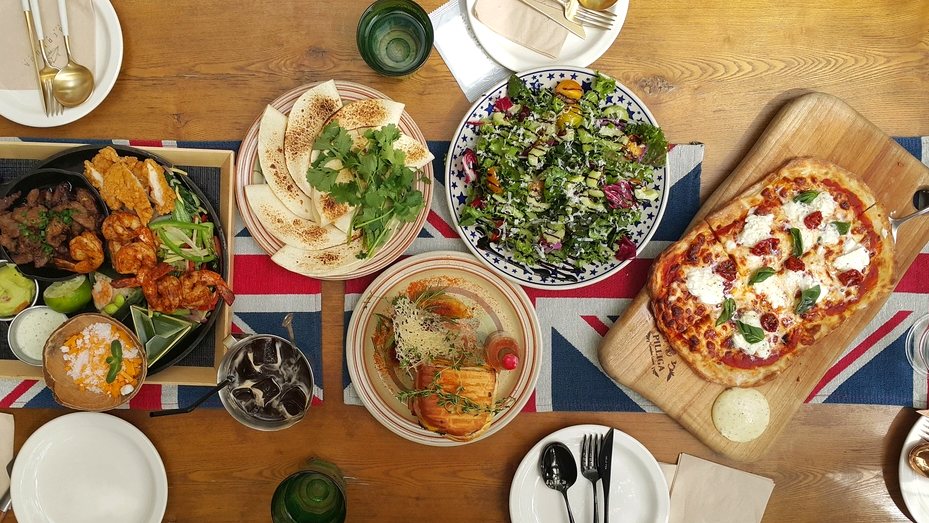
For most people the microwave is a reheating box. That is a waste. With the right techniques, and especially with a model that adds a grill, convection or inverter power, you can cook genuinely good food in a fraction of the time an oven takes.
Understand what your microwave is good at
Microwaves excite water molecules, so they excel at anything moist: steaming vegetables, poaching fish, cooking grains, melting chocolate and making sauces. They are poor at browning, because food surfaces never get hotter than boiling water. The trick to "gourmet" microwave cooking is playing to the first strength and working around the second.
Steam vegetables perfectly
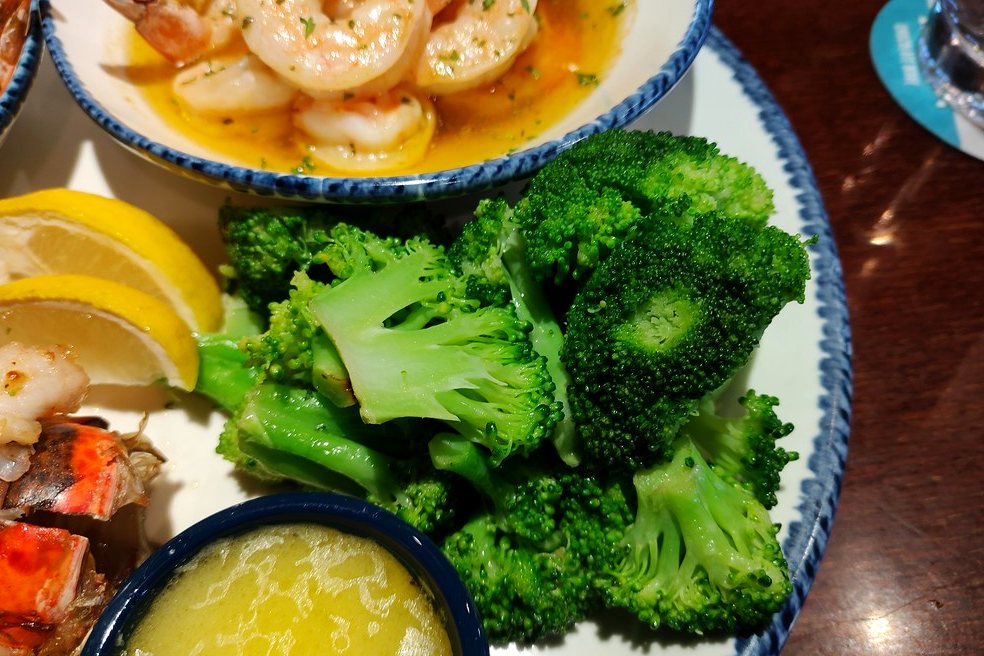
Place vegetables in a microwave-safe bowl with two tablespoons of water, cover with a vented lid or plate, and cook on high. Broccoli and green beans take 2–3 minutes, carrots 4–5. Leave them covered for a minute afterwards to finish. They stay brighter and keep more nutrients than boiled vegetables because they barely touch water.
The ten-minute baked potato
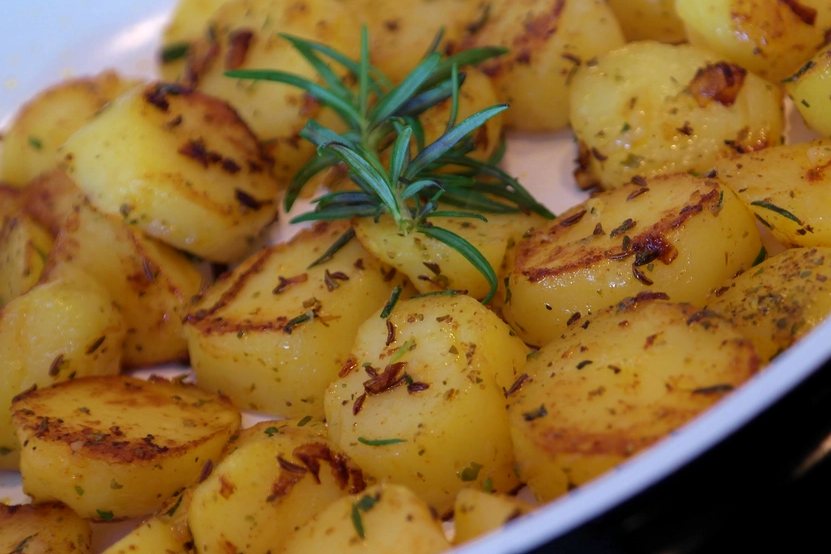
Prick a scrubbed russet potato several times, rub with oil and salt, and microwave on high for 5 minutes. Turn it and cook another 3–5 minutes until a knife slides in. If your oven has a grill function, finish for 4 minutes to crisp the skin. Otherwise give it a few minutes in a hot toaster oven.
Creamy oatmeal without the pot
Use a large bowl to prevent boil-over: half a cup of rolled oats to one cup of milk or water, plus a pinch of salt. Cook at 70% power for 2 minutes, stir, then another 1–2 minutes. Lower power is the secret; it lets the oats swell gently instead of erupting.
Eggs, done right
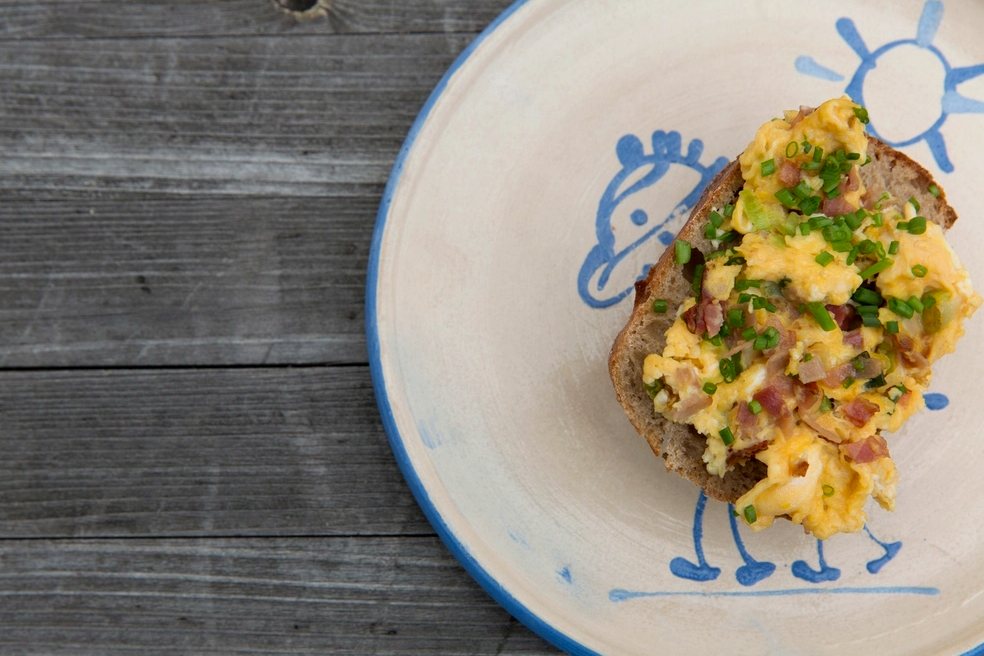
Scrambled eggs cook beautifully in a microwave if you stop and stir every 30 seconds. For a poached egg, crack an egg into a mug of hot water with a splash of vinegar, cover, and cook at 50–60% power for about 60 seconds. Never microwave an egg in its shell.
A real mug cake
Mix 4 tablespoons flour, 3 tablespoons sugar, 2 tablespoons cocoa, a pinch of baking powder, 3 tablespoons milk, 2 tablespoons oil and a drop of vanilla in a large mug. Microwave on high for 70–90 seconds. The top should look just set. Rest one minute; it continues cooking.
Easy restaurant-style nachos
Spread tortilla chips in a single layer on a plate, scatter grated cheese, beans and sliced jalapeños, and cook on high for 60–90 seconds until melted. Single layers matter: piled chips steam and go soft. Top with salsa, sour cream and coriander after cooking.
Roast chicken and lasagna: where grill and convection help
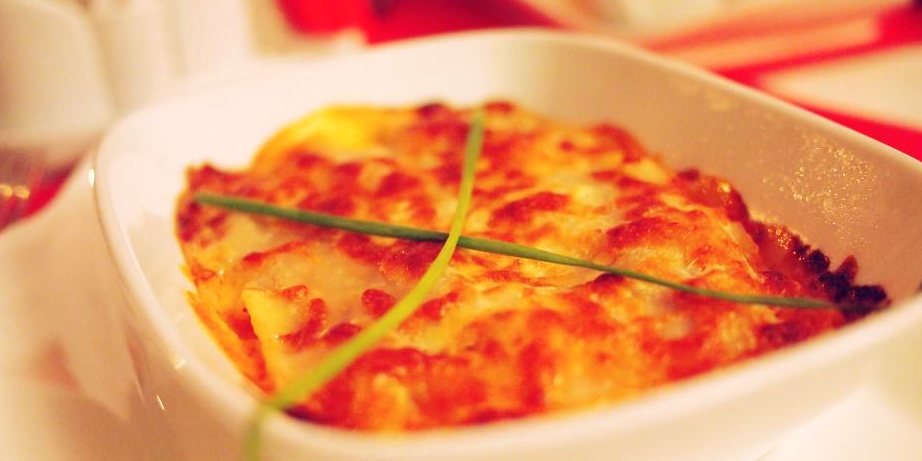
With a combination grill or convection microwave, larger dishes become realistic. A dry-rubbed chicken can be cooked through with microwave energy and finished with grill heat for crisp skin, then rested while you steam vegetables in the same oven. Lasagna benefits from 70% power to cook through gently, then a few minutes of grill for a bubbling, browned top. Always follow the manual's guidance on which cookware is safe in combination modes.
Five rules for better results
- Cover food to trap steam and heat evenly.
- Arrange in a ring, with thicker parts facing outward.
- Use lower power for dense foods, eggs, dairy and chocolate.
- Stir or rotate halfway through.
- Respect standing time; food keeps cooking after the beep.
Picking a microwave for serious cooking
If you want to cook rather than reheat, look for at least 1,000 watts, ten power levels, and ideally an inverter, sensor or grill. The Black 1.2 cu. ft. grill model and the Black 1.6 cu. ft. inverter model are good examples. Browse the full microwave range to compare.